“Teaching is one of the three great cooperative arts. The other two are farming and healing –the arts of agriculture and of medicine. All three are “cooperative” because they must work with nature to produce the goods they aim at.” – Mortimer Adler, The Paideia Proposal: An Educational Manifesto.
The teacher’s job is to support students on their learning journey. We cannot learn for the students or force them to learn. At the same time, if students are not learning, the work of education is not happening. The solution is to connect with what goes on inside a student when they learn and how we can come alongside them to support them in learning. They are the heroes. We are their guides.
This course is our signature teacher training experience —online and at your own pace. Originally called the Fellowship, participants will have immediate and lifetime access here on the Paideia Academics website upon purchase. Learn more about the modules and topics below.
Curriculum
- 7 Sections
- 27 Lessons
- Lifetime
- Video Preview1
- Introduction & OrientationLearn the concepts, terms, and metaphors that shape how we talk about classical teaching and learning throughout the rest of the course.5
- The Journey of the Teacher: The Five Postures of Classical TeachingLearn the five roles that every classical teacher must become acquainted with to be most effective in their classical teaching practice. Includes: Five 90-minute video lessons using art, story, and other artifacts to delve deep into the heart of classical and relational teaching. Two recorded live coaching examples. Lesson handouts, downloads, and templates. Learn how to assess yourself as a classical teacher with the Classical Teaching Reflection Journal and Practice.6
- Grammar ~ Teaching the Classical Liberal ArtsLearn how to think about and teach the classical liberal art of grammar through reading literature and history. Learn what to expect from your students at different milestones as they learn to read literature and history. Includes: Two 90-minute video lessons Lesson handouts, downloads, examples, and templates. K-12 Milestones for learning how to read literature and history2
- Logic ~ Teaching the Classical Liberal ArtsLearn how to think about and teach logic. Learn how logic shows up naturally across 1st – 12th grades through language development and reading essays, poetry, and philosophy. Includes: Three 90-minute video lessons Lesson handouts, downloads, examples, and templates. K-12 Milestones for Learning Logic3
- Rhetoric ~ Teaching the Classical Liberal ArtsLearn how to think about and teach rhetoric through all five canons, from writing to oratory. Learn how rhetoric shows up naturally in 1st – 12th grades. Learn how to support students in this natural development and learn the heart and skill set behind classical rhetoric for high school students. Includes: Three 90-minute video lessons on rhetoric in the younger years, classical rhetoric, and oratory. Three 60-minute bonus lessons on narration, classical rhetoric, and The Lost Tools of Writing. Lesson handouts, downloads, examples, and templates. K-12 Milestones for Learning Rhetoric4
- Additional Recorded Q&As and CoachingQ&A Topics Include: Learning Objectives & Outcomes, Topics of Invention, Self-Assessment. Teaching History & Letter Writing. Remembering and Staying Connected to the Why in the Midst of Teaching. Selecting Books and Guides and Reverse Engineering Assignments for Knowledge, Skills, Truths. Oratory & Teaching Children Shakespeare6
- 7.1Integrating all the Skills of Classical Teaching, Trusting Yourself as Teacher, Teaching History
- 7.2Oratory & Teaching Children Shakespeare
- 7.3How to Use the Topics of Invention in History
- 7.4Teaching History Synthetically & Letter Writing
- 7.5Selecting Books and Guides and Reverse Engineering Knowledge, Skills, Truths
- 7.6Mystery, Getting out of the Way as a Teacher, & Narration
Instructor
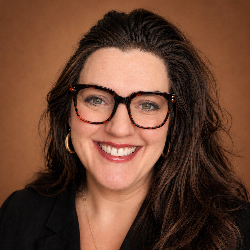
Jennifer Souza is a classical teacher and curriculum developer with over 20 years of teaching experience. She completed her BA in Interdisciplinary Studies & English from Belmont Abbey College, is a CiRCE certified Classical Teacher, and is currently pursuing an MA at Hellenic College Holy Cross.
She has been teaching humanities, history, literature, logic, writing, rhetoric, and the fine arts for over 20 years at various Classical schools, both in person and online. Jennifer was a contributing author for The Lost Tools of Writing Level 1, published by The CiRCE Institute, was the former co-host of The Classical Homeschool Podcast, and has spoken at dozens of events across the nation on classical education and teaching. Her research interests include Classical Rhetoric, Pedagogy, the Intersection of Education and Healing, Iconography, and Fine Art Studies.
Jennifer lives with her husband Fr. John and their son in Michigan, where her husband serves at a local Greek Orthodox Church. She enjoys music, art, poetry, trying her hand at a challenging recipe, collecting more books than she’ll ever read, and sauntering about in nature.